Perfect Your Statement.Ace Your Interviews.Secure your Admission.

Practice mock medical school interviews for your AMCAS® application with our interview preparation platform, get instant feedback to improve your performance on all types of medical school interview questions, and perfect your personal statement with detailed feedback.

Medical school interview preparation dashboard
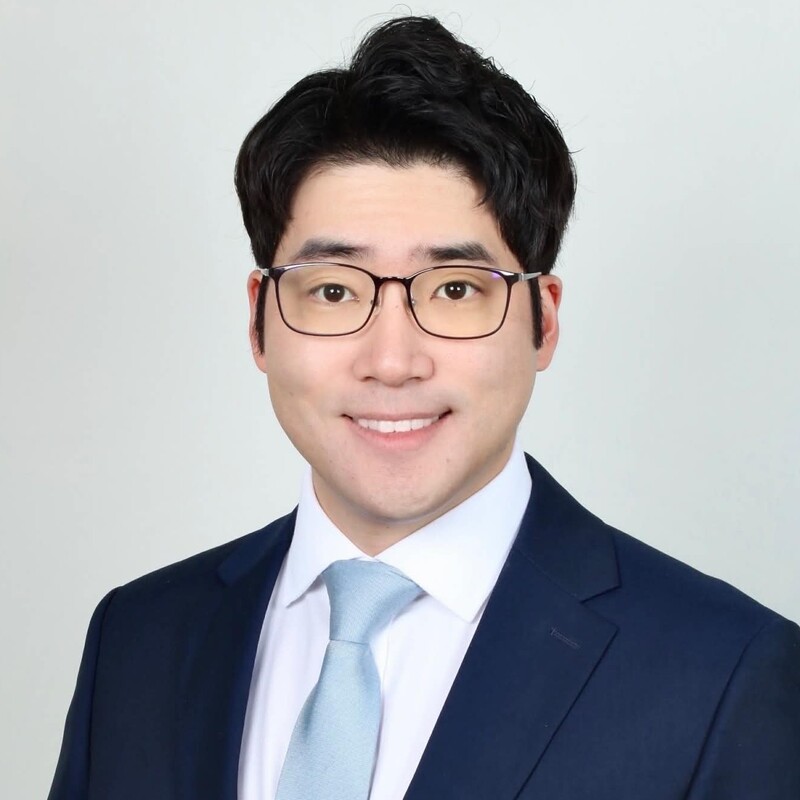
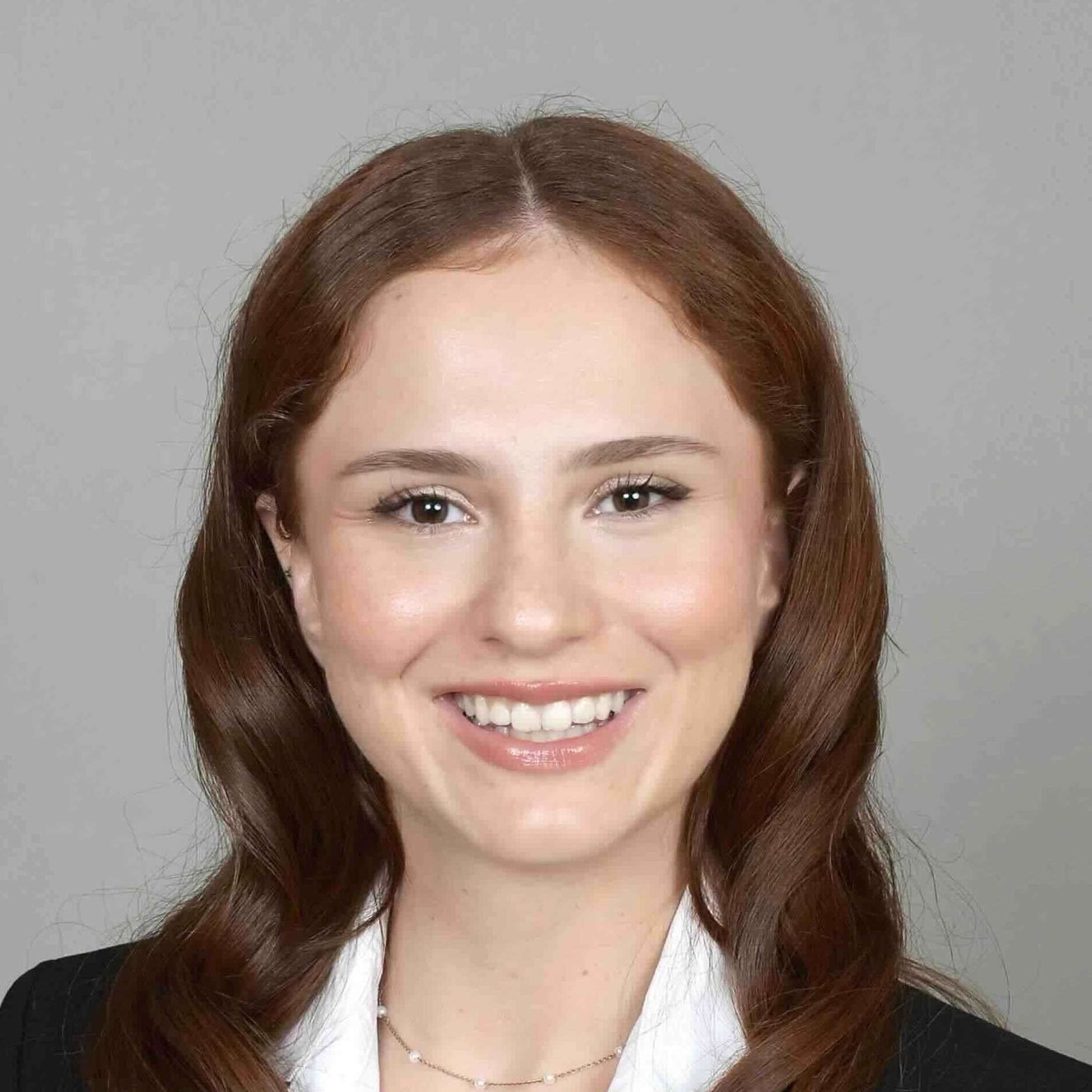
Neo ChristodoulouJames BaeEcem Saritas
Trusted by over 3,371 medical school and residency applicants

I am applying for...

Ace every medical school interview with confidence

With advanced AI and proven strategies from our network of residents, practice with ResidencyAI actually helps you improve.

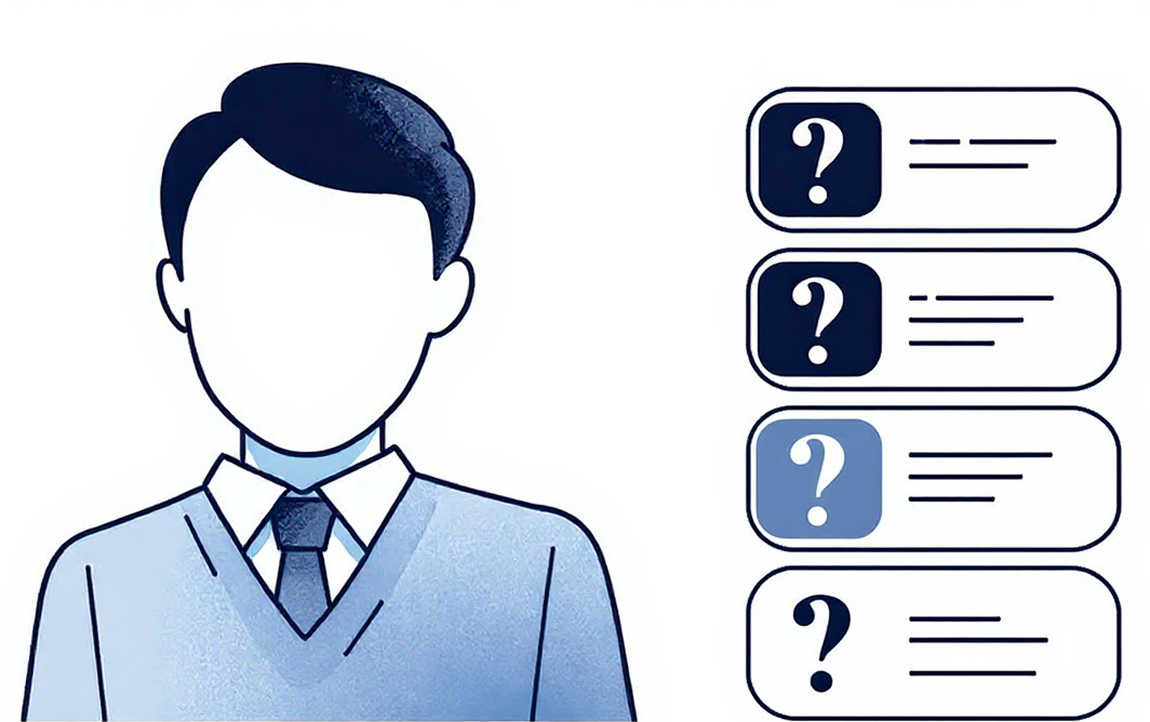
Master Every Question

Master Every Question

Practice all common medical school interview questions. Learn what interviewers are really looking for and how to answer effectively.

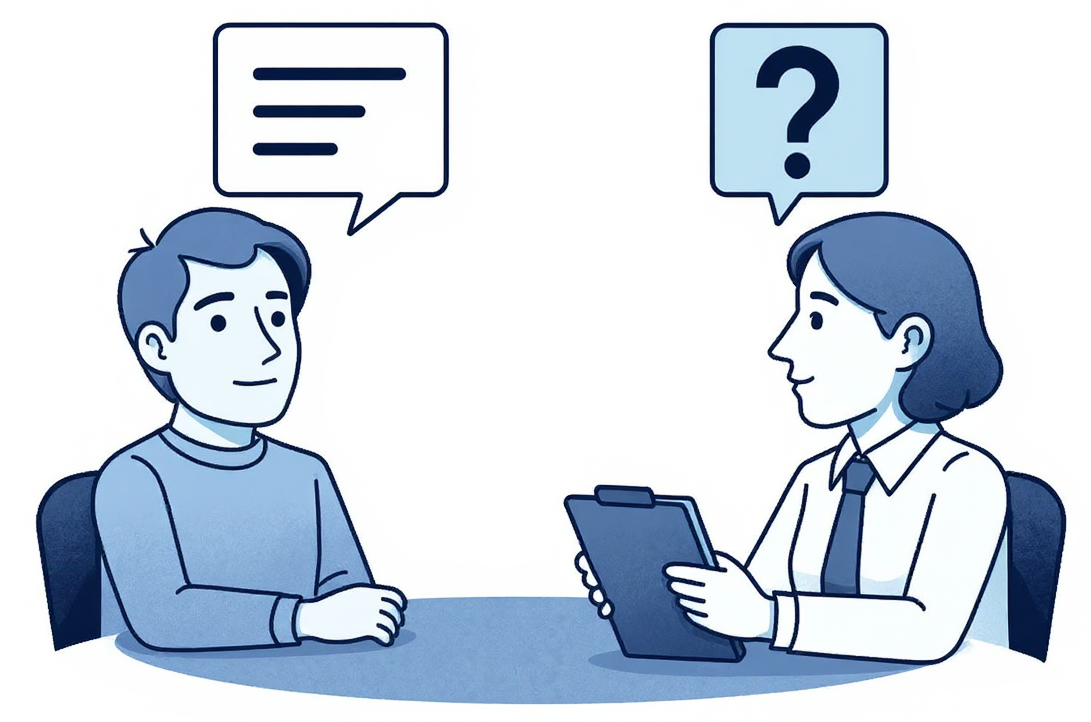
Simulate Real Interviews

Simulate Real Interviews

Practice realistic mock medical school interviews, build confidence and walk into your interviews feeling prepared.

Get Detailed Feedback

Get Detailed Feedback

Receive actionable feedback on your performance. Know what's working and what to work on.

Master Every Question

Sharpen your interview skills one question at a time. This mode lets you zoom in on a single question each time, so nothing ever catches you off guard.

  • Understand each question's purpose
  • Avoid common mistakes
  • Prepare for all types of questions
Explore our Question Bank

Simulate Real Interviews

Get interview-ready with on-demand mock interviews that mirror real-life experiences. No scheduling, no pressure-just consistent, flexible practice.

  • Build confidence gradually
  • Practise anytime, anywhere
  • Get in-depth feedback
Start Now

Get In-Depth Feedback

Turn every session into a learning opportunity. Our AI breaks down your responses so you know exactly where to improve. With our specialized AI, the feedback you receive is specific to each question.

  • Highlight your strengths
  • Identify where you need to improve
  • Track your progress over time
  • Export feedback reports as PDFs
Start Now

New — Document Review

Line-by-line feedback on your medical school personal statement

Upload your AMCAS personal statement and get the review an admissions reader would give it — sentence by sentence, with rewrites you can use. Try it on the real example below.

Personal statement — Medical school application

Readiness

This is a strong, sincere personal statement with a coherent theme and several memorable moments. You are at your best when you let scenes do the work: the dominoes staying in the drawer, the repeat overdose call, and the third visit for headaches all reveal the kind of applicant you are. With revisions to the research paragraph, the conclusion, and patient-privacy language, this could move from strong-but-slightly uneven to genuinely memorable.

Mr. Alvarez kept a domino set in the drawer beside his hospital bed, and for the first three weeks I volunteered on the hospice floor he beat me every Thursday afternoon. On my fourth visit the dominoes stayed in the drawer. He had stopped being able to hold them steady, and what he wanted instead was for someone to sit with him while his daughter went down to the cafeteria, because he did not like to be alone in the room. I sat. I did not have anything useful to say and I had not yet learned that I was not supposed to need one. When his nurse came in she did not fill the silence either; she checked his line, put her hand on his shoulder, and told him she would be back in twenty minutes. I had assumed medicine was mostly the part where someone fixes something. That afternoon was the first time I understood that the presence itself was part of the treatment.

Two years later I was working overnight shifts as an emergency medical technician in the same county. At 3 a.m. we were called to a parking lot for a man in his twenties who had overdosed, and my partner and I gave naloxone and watched him come back confused and furious at us for taking away the only thing that had made the night bearable. We transported him. Six weeks later we were called to the same parking lot for the same man. I learned more from that second call than from any lecture I have attended: that the fifteen minutes I get with someone in the back of an ambulance sit on top of everything that happened to them before I arrived, and that I could do my job perfectly and still watch it fail. I wanted the part of the work that reaches further back than fifteen minutes.

In Dr. Reyes's lab I spent eighteen months studying how sickle cell trait affects red blood cell deformability under low oxygen conditions. My first independent experiment failed for eleven consecutive weeks, and the reason turned out to be that I had been storing samples at the wrong temperature. I presented the corrected work at our university's undergraduate research symposium and was a co-author on the resulting poster. I also served as vice president of our pre-medical society, tutored organic chemistry for two years, and volunteered over 200 hours at a free clinic downtown. These experiences taught me perseverance, attention to detail, and the ability to work effectively as part of a team.

At the free clinic I interpreted for Spanish-speaking patients on Saturday mornings. One woman came in three times over two months for headaches, and each time the volunteer physician asked about her sleep, her caffeine, her vision. On the third visit, while I was translating a question about stress at home, she started crying and told us about her housing situation, and the visit stopped being about headaches at all. I had translated the same word, "estrés," twice before without either of us understanding what it was carrying. It taught me that the history is only as good as the conditions you create for it, and that being the person in the room who shares a patient's language is not the same as being the person who has made it safe to answer.

I want to become a physician because of the accumulation of these moments: the silence in Mr. Alvarez's room, the second call to the same parking lot, the third visit for headaches. Medicine is the only field that combines rigorous science with genuine human connection, and I am confident that my compassion, resilience, and dedication have prepared me for the challenges ahead. I am particularly excited by your school's commitment to community-based primary care, and I hope to spend my career serving underserved populations.

IssueParagraph 1

Mr. Alvarez kept a domino set in the drawer beside his hospital bed,

You create an immediate scene, but using a full patient name without signaling that it is a pseudonym creates a privacy concern. You can preserve the detail while showing better professional judgment.

Try instead

A hospice patient I will call "Mr. Alvarez" kept a domino set in the drawer beside his hospital bed,

1 / 15

This is your personal statement, reviewed in under a minute.

Review my personal statement

What applicants and advisors are saying

Hear from learners and mentors who used ResidencyAI during interview preparation.

James Bae

James Bae

General Surgery Resident, Massachusetts General Hospital

This is one of the most helpful tools for residency interview preparation. The interview questions were spot on and covered everything. The detailed feedback and transcripts made it easy to refine and improve my answers. This is all you need to ace your residency interviews.

Why choose ResidencyAI?

See how our AI-powered platform compares to traditional mock interview services

Other Services

  • Requires scheduling in advance with no flexibility
  • Expensive ($150+ per interview), making frequent practice sessions less feasible
  • Requires being camera-ready for each session
  • Limited feedback due to time constraints of booked slots
  • Practicing with a human can feel intimidating, reducing frequency of practice
  • Personal statement edits cost extra and take days to come back

Residency AI

  • Practice 24/7, anywhere - no need to schedule in advance
  • Affordable pricing, allowing for unlimited practice at a fraction of the cost
  • Conduct mock interviews without the stress of being on camera
  • Comprehensive, detailed feedback on every answer
  • No pressure or awkwardness - practice at your own pace
  • Line-by-line personal statement review in under a minute, included

Your Questions, Answered

ResidencyAI is your ultimate preparation tool for medical school interviews. We provide an AI-powered platform designed to help you practice mock interviews and individual questions across a wide range of topics, ensuring you're fully prepared for anything medical schools might ask. Our AI-powered system delivers instant, personalized feedback, allowing you to refine your responses and build confidence efficiently.

ResidencyAI offers two primary modes for practice: 1. Single Question Practice: This mode allows you to tackle individual questions, helping you deeply understand their purpose, apply winning techniques, and avoid common mistakes. It's ideal for focused preparation on specific questions. 2. Full Mock Interview: This feature simulates a complete interview experience with multiple questions, mirroring real-life scenarios. It helps you build confidence and practice endurance, making interviews feel like second nature. Both modes provide in-depth AI-powered feedback to highlight your strengths and identify areas for improvement.

ResidencyAI provides comprehensive, AI-generated feedback designed to help you pinpoint what you did well and what you can improve on. For both mock interviews and single-question practice, you'll receive: • An overall performance score to track your progress. • Identified strengths to leverage in future interviews. • Specific areas for improvement with actionable suggestions. • A concise overall summary of your performance.

Yes. Our Document Review feature reads your personal statement the way a professional would and gives you feedback anchored to specific sentences, not vague general advice. For each passage you get one of three notes: • Strengths — what is working and should stay. • Suggestions — wording, structure and flow that could be tightened. • Issues — generic claims, CV-in-prose paragraphs, or sections that could belong to any other applicant. Most notes come with a suggested rewrite you can use as a starting point, plus feedback on your introduction, main body and conclusion as a whole.

Document Review is built for the medical-school application documents that matter most, starting with your AMCAS personal statement. The AI is trained on what medical school admissions committees actually look for, so the feedback is specific to your application rather than generic essay advice.

Yes. Alongside residency applicants in the United States and Canada, we support US medical school applicants. Medical school applicants receive personal statement review against admissions-committee criteria, mock interviews and question practice tailored to their application, and preparation for the core areas of a medical school interview.

Yes. Your documents are private to your account, are never shared with other users, and are never sold or published. You can delete an uploaded document at any time from your dashboard. The interactive example on our homepage uses a sample statement shared with permission, not a real applicant's submitted document.

No — and that is deliberate. Programs want to read your voice, and a statement written by AI reads like one. Document Review tells you what is weak and why, and where it suggests a rewrite it is an example of the point being made, meant as a starting point for your own words rather than text to paste in unchanged. The final statement should always be yours.

Get started with free access to our extensive library of 200+ interview questions. For each question, you will get access to hints on what the interviewer is looking for, and common mistakes to avoid. You also get 3 free single-question credits to practice with. For more advanced features and access to mock interviews, you can upgrade to a paid plan.

ResidencyAI uses credits for select application-assistance services. There are four types of credits: • Single-Question Credits: One credit lets you practice a single interview question and receive in-depth AI feedback. • Mock Interview Credits: One credit provides access to a full simulated interview, including comprehensive feedback on your performance. • Headshot Credits: One credit lets you generate one application-ready headshot. • Document Review Credits: One credit lets you submit one application document for AI-powered feedback and suggestions.

You can purchase credits by clicking 'Upgrade Plan' after signing in.

If your connection drops during an ongoing mock interview, you can resume your session from where you left off without losing your progress and your credits.

ResidencyAI offers a cost-effective way to extensively practice medical school interview questions. The more you practice, the more confidently and fluently you'll respond under pressure in your real interview. ResidencyAI lets you practice as many interviews as you want at a fraction of the cost of other services.

The actual duration of an interview depends on the pace of the interview. The average duration is 20 minutes, and the maximum duration is 30 minutes. Based on our research, this is what is commonly expected in medical school interviews.

Our interviews are designed to simulate real medical school interviews. The questions are based on common medical school interview questions, including questions about your motivation for medicine, behavioral questions, and more.